

Biodiversity in West Lothian
Protecting, connecting, conserving and enhancing biodiversity throughout the area, whether rural or urban, is important for the health of our environment, wildlife and our communities.
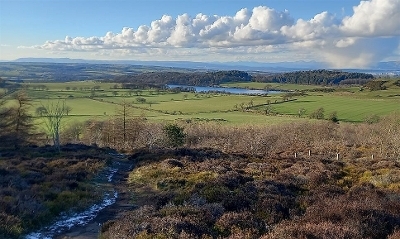
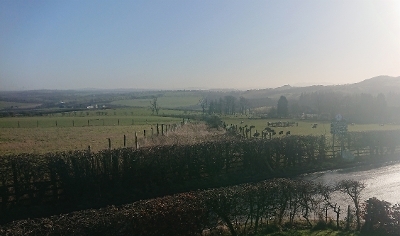
From habitat mapping carried out in 2022, we know that grassland habitats cover the largest area of land in West Lothian (including farmland). Other habitats in the landscape include a variety of woodland types including many Ancient Woodlands, old industrial bings and quarries often with unique flora and fauna, the waterways of the Rivers Almond and Avon and the peatlands of Blawhorn, Easter Inch and Black Moss.
Due to expanding populations in the Central Belt of Scotland, urbanisation, transport, pollution and the human demand for natural resources that all these bring, there are many pressures on our habitats. Maintaining diversity and quality of habitats and protecting vulnerable species throughout the area, whether rural or urban, is important for the health of our environment, wildlife and our communities.
Biodiversity Duty
Local Authorities in Scotland have a statutory biodiversity duty under the Nature Conservation (Scotland) Act 2004, requiring them to actively further the conservation of biodiversity in all their functions. This means councils must go beyond avoiding harm and instead take positive action to protect and enhance habitats and species, embedding biodiversity considerations across areas such as planning, land management, and service delivery.
As part of this duty, public bodies must also publish a Biodiversity Duty Report every three years, outlining the actions they have taken, and progress made towards conserving and enhancing biodiversity.
Ecology and Biodiversity Team
West Lothian Council has an Ecology and Biodiversity Team to help the council locally address the global nature crisis. This team is responsible for creating and delivering policy and plans relating to biodiversity and climate change, implementing biodiversity enhancement projects, facilitating community engagement and inputting into the council's planning process - ensuring that biodiversity is taken into account, from the strategic Local Development Plan to individual planning applications.
Contact us
The Ecology and Biodiversity team can be contacted at Ecology&Biodiversity@westlothian.gov.uk (opens new window)